

Spinal alignment is one of the most important factors in sleep quality, yet it is often misunderstood. Many people assume that a firmer mattress automatically provides better support, while others believe softer mattresses are better for comfort. In reality, mattress firmness does affect spinal alignment, but not in a one-size-fits-all way.
Proper spinal alignment during sleep means that the spine maintains its natural curves from the neck through the lower back. When alignment is compromised for hours each night, it can contribute to stiffness, discomfort, and long-term back or neck issues. Mattress firmness plays a key role in how well the body is supported and how evenly weight is distributed across the sleeping surface.
This article explains how mattress firmness influences spinal alignment, why the “right” firmness depends on the sleeper, and how to recognize whether a mattress is helping or harming spinal posture.
What Is Proper Spinal Alignment During Sleep?
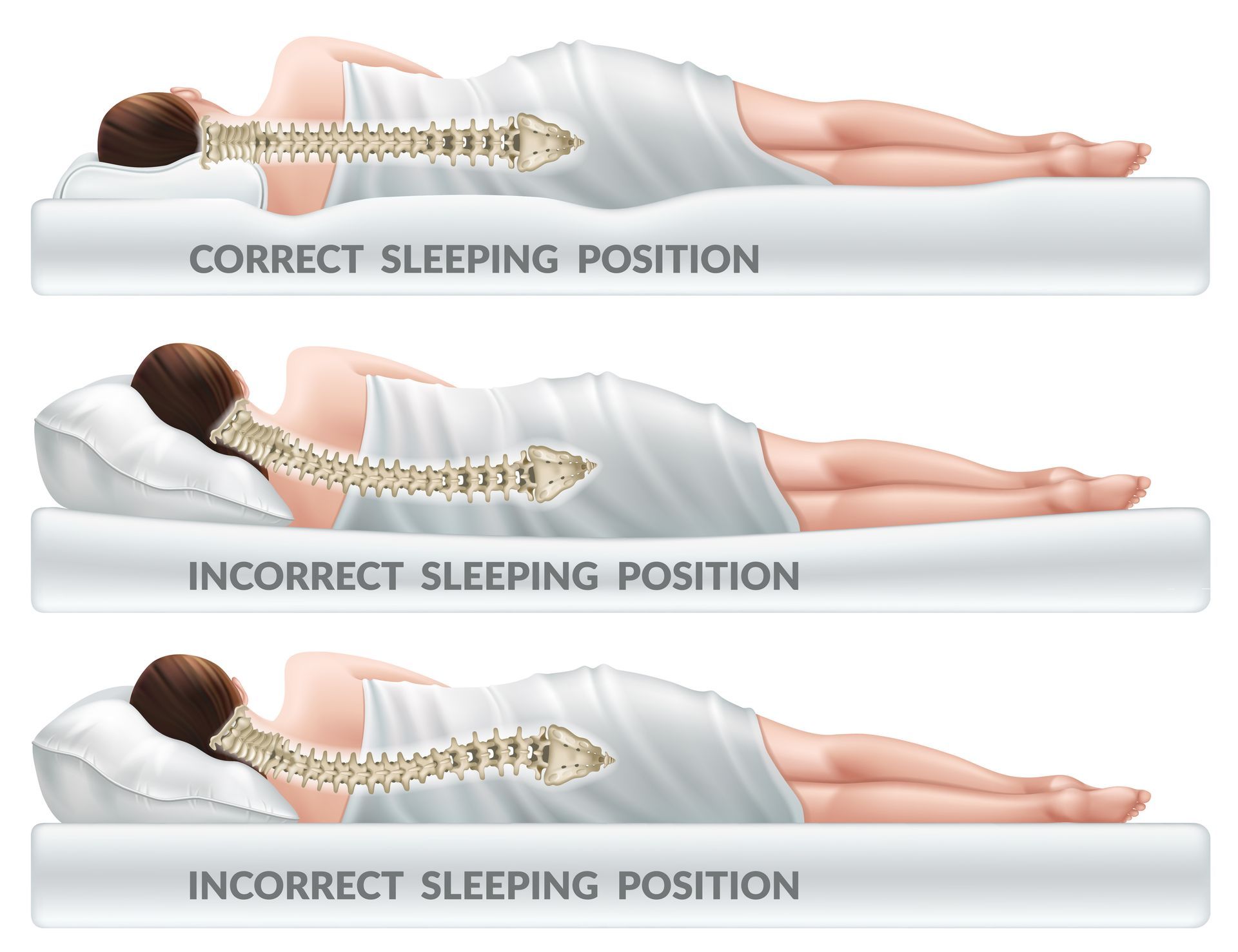
Spinal alignment refers to how the spine is positioned while lying down. A healthy spine has natural curves: a slight inward curve at the neck and lower back, and a gentle outward curve in the upper back.
During sleep, proper alignment occurs when:
-
The head, shoulders, and hips are supported evenly
-
The spine remains neutral rather than arched or compressed
-
Pressure points are minimized without sacrificing support
A mattress that supports spinal alignment allows muscles to relax fully, reducing the need for the body to compensate throughout the night.
How Mattress Firmness Influences Spinal Alignment
Mattress firmness determines how much the body sinks into the mattress and how support is distributed across heavier and lighter areas of the body. This interaction directly affects spinal posture.

When a Mattress Is Too Soft
A mattress that is too soft allows heavier body areas, particularly the hips and torso, to sink too deeply. When this happens, the spine can curve unnaturally, especially in the lower back.
Common alignment issues with overly soft mattresses include:
-
Sagging at the hips, pulling the spine out of neutral position
-
Increased lower back strain
-
Neck misalignment due to uneven body support
While soft mattresses may feel comfortable initially, prolonged misalignment can lead to stiffness or discomfort upon waking.
When a Mattress Is Too Firm
A mattress that is too firm can prevent the body’s natural curves from settling into the surface. This is particularly problematic for areas like the shoulders and hips, which require some cushioning to maintain alignment.
Potential issues with overly firm mattresses include:
-
Pressure buildup at the shoulders and hips
-
Gaps between the lower back and mattress surface
-
Increased muscle tension from lack of contouring
In these cases, the spine may remain straight but unsupported, forcing muscles to stay engaged throughout the night.
The Role of Balanced Firmness
Optimal spinal alignment occurs when a mattress is firm enough to support the body’s weight but flexible enough to accommodate natural curves. This balance allows the spine to remain neutral without excessive sinking or pressure.
Balanced firmness does not mean “medium” for everyone. Instead, it refers to how firmness interacts with body weight, sleeping position, and mattress materials.
Mattress Firmness and Sleeping Position
Sleeping position significantly influences how firmness affects spinal alignment.
Back Sleepers
Back sleepers generally require a mattress that supports the natural curve of the lower back while preventing the hips from sinking too deeply. A mattress that is too soft can cause lumbar collapse, while one that is too firm may leave the lower back unsupported.
For back sleepers, spinal alignment is best maintained when the mattress provides consistent support across the torso with subtle contouring at the hips and shoulders.
Side Sleepers
Side sleepers place more pressure on the shoulders and hips. If a mattress is too firm, these areas cannot sink enough, causing the spine to curve sideways. If the mattress is too soft, the torso may sink excessively, again disrupting alignment.
Proper firmness for side sleepers allows the shoulders and hips to sink just enough to keep the spine straight from neck to tailbone.
Stomach Sleepers
Stomach sleeping places the spine in a more vulnerable position by default. A mattress that is too soft can cause the hips to dip downward, creating excessive arching in the lower back.
Stomach sleepers typically benefit from firmer mattresses that prevent hip sink and help keep the spine closer to a neutral position throughout the night.
Body Weight and Firmness Response
Body weight changes how firmness is experienced. A mattress that feels firm to a lighter sleeper may feel medium or soft to a heavier sleeper.
-
Lighter individuals often require slightly softer surfaces to achieve adequate contouring
-
Heavier individuals usually need firmer support to prevent excessive sink
This is why firmness ratings alone are insufficient. Spinal alignment depends on how the mattress responds under actual body weight, not just how it feels initially.
Mattress Materials and Spinal Alignment
Firmness is influenced not only by how hard or soft a mattress feels, but also by the materials used in its construction.
-
Foam materials contour closely and distribute pressure, affecting how the spine settles
-
Latex materials provide responsive support that adapts quickly to movement
-
Coil systems offer structural support and influence how weight is distributed
A mattress with good spinal alignment support typically combines materials that work together rather than relying on firmness alone.
Signs Your Mattress Is Affecting Spinal Alignment
Poor spinal alignment during sleep often shows up gradually. Common signs include:
-
Waking up with lower back or neck stiffness
-
Feeling sore despite sufficient sleep duration
-
Needing time to “loosen up” after getting out of bed
-
Experiencing pressure discomfort at the shoulders or hips
These symptoms may indicate that mattress firmness is not properly supporting the spine, even if the mattress still feels comfortable.
Is Firmer Always Better for Spinal Alignment?
A common misconception is that firmer mattresses are universally better for spinal health. In reality, firmness without contouring can be just as problematic as excessive softness.
Spinal alignment depends on:
-
Maintaining natural curves
-
Supporting heavier body regions
-
Allowing lighter regions to remain supported
The best mattress firmness is one that achieves alignment through balanced support, not rigidity.
How Mattress Firmness Fits Into Mattress Selection
Firmness is one of several factors that influence spinal alignment. Mattress construction, materials, sleeping position, and body type all work together to determine whether alignment is maintained during sleep.
Understanding how firmness affects spinal alignment allows sleepers to make more informed decisions and sets the foundation for deeper evaluation of mattress types, materials, and use-case-specific designs.
Find the Right Firmness With Adjustable Mattress Design
Because spinal alignment is influenced by factors like body weight, sleeping position, and comfort preference, a fixed firmness level does not always work long term. Mattresses with adjustable comfort layers allow firmness to be fine-tuned as those needs change, helping the spine remain in a more neutral position over time.
This is where our Lazy Lowie mattresses are designed differently, using adjustable internal systems that balance support and pressure relief rather than relying on a single firmness feel. For sleepers who want flexibility without compromising structure, this approach offers a more adaptive way to support spinal alignment throughout different stages of sleep life.
- Choosing a selection results in a full page refresh.
- Opens in a new window.