

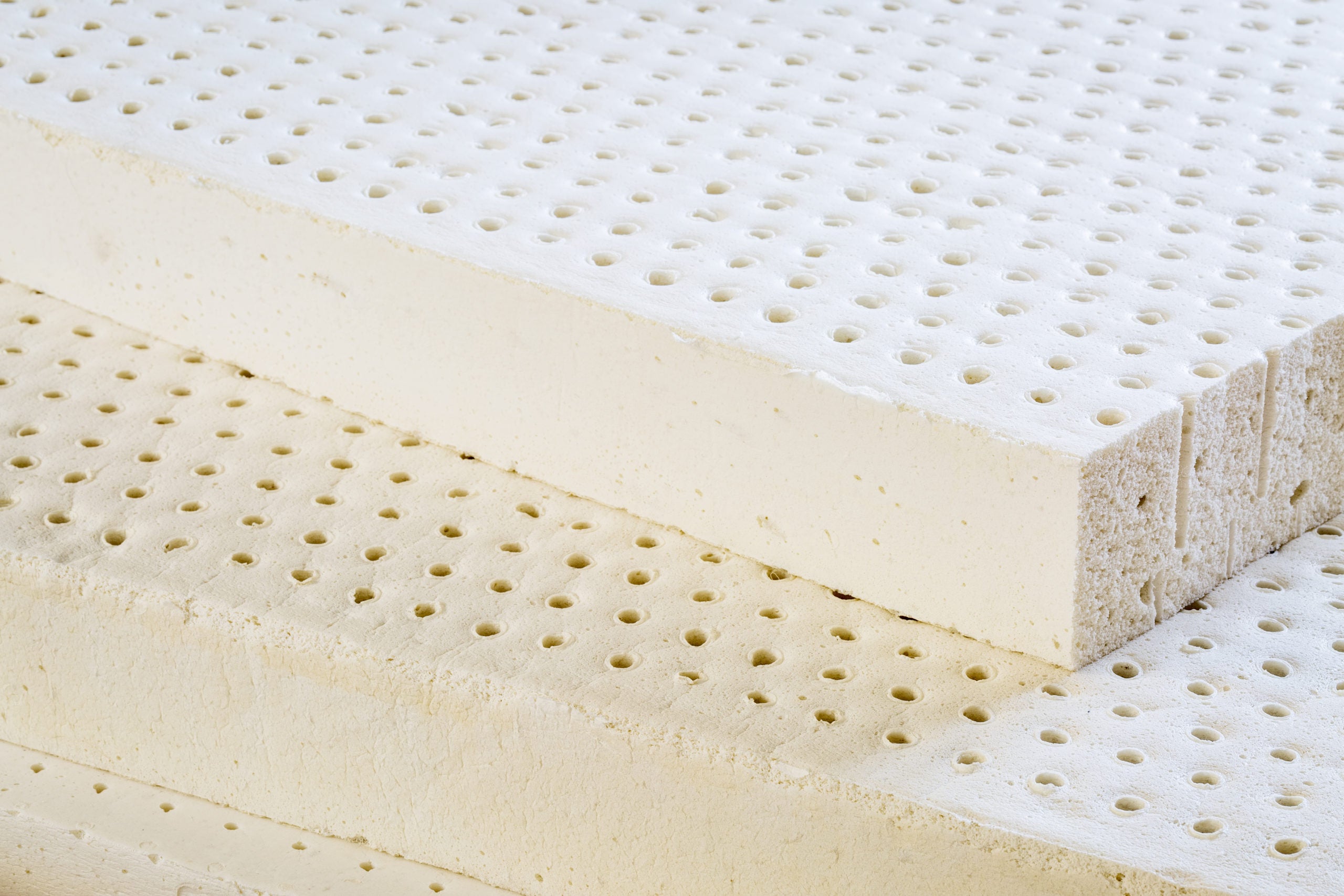
Latex mattresses are often associated with comfort, durability, and breathability. However, not all latex is the same. One of the most common points of confusion for mattress buyers is the difference between natural latex and synthetic latex.
At a glance, both materials can feel similar when you lie down on them in a showroom. They are responsive, supportive, and more resilient than traditional memory foam. But beneath the surface, natural latex and synthetic latex differ significantly in how they are made, how they perform over time, and how they align with health, comfort, and sustainability priorities.
Understanding these differences is essential if you are investing in a mattress designed for long-term sleep quality rather than short-term comfort.
This guide breaks down natural latex versus synthetic latex in a clear, practical way—so you can make an informed decision based on comfort, durability, and values.
What Is Natural Latex?

What Is Natural Latex?
Natural latex is derived from the sap of rubber trees. The sap is harvested by tapping the tree, collected as a liquid, and then processed into foam. During production, the sap is whipped, poured into molds, and cured to create a resilient, elastic mattress layer.
Depending on the manufacturing method, natural latex may be produced using processes such as Dunlop or Talalay. While these methods differ in technique and feel, both preserve the core characteristics of natural latex: elasticity, breathability, and durability.
Because it comes from a renewable resource, natural latex is widely regarded as an eco-conscious material. Rubber trees can be tapped for many years without being cut down, making natural latex a more sustainable option compared to petroleum-based foams.
From a performance perspective, natural latex is:
-
Highly responsive, adapting quickly to movement
-
Naturally breathable due to its open-cell structure
-
Resistant to dust mites, mold, and mildew
-
Known for maintaining its shape and support over time
These properties make natural latex a strong choice for sleepers who prioritize long-term comfort, consistent support, and a cleaner sleep environment.
What Is Synthetic Latex?
Synthetic latex is manufactured using petrochemical-based compounds, most commonly Styrene-Butadiene Rubber (SBR). It is designed to mimic the general feel of natural latex but is not derived from rubber tree sap.
The primary reason synthetic latex exists is cost efficiency. It allows manufacturers to produce a latex-like foam at a lower price point, making it accessible for budget-focused mattresses.
In terms of feel, synthetic latex can initially resemble natural latex, especially when new. It offers surface-level responsiveness and firmness, which is why it is often marketed simply as “latex” without further clarification.
However, synthetic latex typically differs in:
-
Lower breathability due to denser foam structure
-
Reduced elasticity over time
-
Shorter overall lifespan
-
Higher reliance on chemical inputs
While synthetic latex can be suitable for short-term use, its performance characteristics tend to degrade more quickly compared to natural latex.
Key Differences Between Natural and Synthetic Latex
Although both materials aim to provide a similar sleeping experience, their differences become more apparent with long-term use.
Material Origin
Natural latex comes from renewable rubber trees, while synthetic latex is produced from petroleum-based chemicals. This difference affects more than sustainability—it also influences off-gassing, material stability, and how the foam ages over time.
For sleepers concerned about environmental impact or chemical exposure, material origin is often a deciding factor.
Comfort and Responsiveness
Natural latex offers a highly responsive feel that adapts instantly to movement. When you shift positions, the material responds without delay, supporting the body without creating a sinking or “stuck” sensation.
Synthetic latex can feel firmer or flatter, especially as it ages. Over time, it may lose elasticity, becoming less responsive and less comfortable for combination sleepers or those who move frequently during the night.
For sleep quality, responsiveness matters because it reduces pressure buildup and allows the body to move naturally without micro-awakenings.
Breathability and Temperature Regulation
One of the most significant advantages of natural latex is breathability. During production, pinholes and open-cell structures form within the foam, allowing air to circulate freely through the mattress.
This airflow helps regulate temperature, making natural latex particularly beneficial for hot sleepers or those living in warm, humid climates.
Synthetic latex tends to retain more heat due to its denser composition. While ventilation systems or mattress covers can help, the core material itself does not breathe as efficiently as natural latex.
Temperature regulation plays a critical role in sleep quality, as overheating is one of the most common causes of disrupted sleep.
Durability and Longevity
Natural latex is widely recognized for its durability. When properly constructed, a natural latex layer can maintain its structure, support, and comfort for many years without significant sagging or breakdown.
Synthetic latex generally has a shorter lifespan. Over time, it may compress, lose resilience, or develop uneven support zones, especially under heavier body weight or frequent use.
For buyers viewing a mattress as a long-term investment, durability is not just about cost—it directly affects sleep consistency and spinal support over time.
Health and Environmental Considerations
Natural latex is naturally resistant to allergens such as dust mites and mold. It also typically emits fewer volatile compounds compared to synthetic foams, which can be important for people sensitive to odors or indoor air quality.
Synthetic latex may release stronger odors initially due to its chemical composition. While this does not necessarily make it unsafe, it can be unpleasant for sensitive sleepers.
From an environmental standpoint, natural latex has a lower footprint due to its renewable source, while synthetic latex relies on non-renewable petrochemicals.
Which Latex Is Better for Sleeping?
The answer depends on your priorities, expectations, and how long you intend to use the mattress.
If you value long-term comfort, consistent support, breathability, and environmentally responsible materials, natural latex is generally the superior option. It adapts well to different sleeping positions, responds quickly to movement, and maintains its structure over time.
Natural latex is especially beneficial for:
-
Combination sleepers
-
Hot sleepers
-
People who experience pressure-point discomfort
-
Buyers seeking a durable, premium sleep surface
Synthetic latex may be suitable for short-term use or budget-focused purchases. It can offer acceptable comfort initially, but it is less ideal for sleepers seeking lasting performance or a premium sleep experience.
Who Should Choose Natural Latex?
Natural latex is particularly well-suited for:
-
Sleepers who want durable, long-term mattress performance
A mattress that maintains comfort and support over years reduces the need for frequent replacement. -
Hot sleepers who need better airflow and temperature regulation
Natural latex’s breathability helps prevent heat buildup throughout the night. -
People sensitive to allergens or chemical odors
Its natural resistance to dust mites and lower emissions can contribute to a cleaner sleep environment. -
Buyers who prioritize sustainability and natural materials
Renewable sourcing and long lifespan align with environmentally conscious values.
For premium mattresses, natural latex is often chosen as a core comfort or support layer because it balances pressure relief with responsive support without compromising durability.
Making the Right Choice for Better Sleep
Choosing between natural and synthetic latex is not just a material decision—it is a sleep quality decision. A mattress should support your body night after night without compromising comfort, health, or durability.
At Lazy Lowie, material selection is intentional. Comfort should adapt to people, not degrade over time or rely on excessive softness. That is why natural latex plays a key role in creating mattresses that feel supportive, breathable, and consistently comfortable.
If you are investing in better sleep, understanding what is inside your mattress matters as much as how it feels on day one.
- Choosing a selection results in a full page refresh.
- Opens in a new window.